What Information Does a Kitchen Cabinet Factory Need to Prepare a Quotation?
When a buyer contacts a kitchen cabinet factory for the first time, one of the first questions is usually:
“Can you give me your best price?”
Of course, we can prepare a quotation. But before we calculate the price, we usually need one thing from the buyer:
A clear cabinet list and specifications.
This is not just paperwork. It is the information we use to understand what we are actually being asked to manufacture.
After more than 20 years making cabinets for the US market, we have learned that a reliable quotation starts with a clear understanding of the product.
1. Cabinet List or Project Take-Off
The first thing we normally look for is the actual cabinet list or project take-off.
This should show what cabinets are required, their sizes, quantities, and item numbers if available.
A reference price list can be useful for an initial discussion, but it does not always represent the actual order.
For example, a buyer may have 100 different cabinet items in a project. The quantity of each item, the combination of cabinets, and the total volume can all affect the quotation.
This is why we prefer to quote from the actual cabinet list whenever possible.
2. Cabinet Construction
The factory also needs to know how the cabinets should be constructed.
For example:
- Face Frame or Frameless
- RTA or assembled
- Construction requirements
- Cabinet box specifications
Two cabinets can have the same door style but different construction.
They may look similar in a photo, but they are not necessarily the same product to manufacture.

3. Materials
The material specification is another important part of the RFQ.
Depending on the cabinet program, the buyer may specify materials such as plywood, MDF, HDF, particle board, melamine, or other materials.
If the material is not clearly specified, two factories may make different assumptions when preparing their quotations.
That can create a problem later when the buyer compares prices.
A lower number does not always mean a lower manufacturing cost. It may simply be based on a different material specification.
4. Door Style and Finish
The factory also needs to understand the door style and finish.
For example:
- Shaker
- Slab
- Painted
- Stained
- Thermofoil
- Melamine
- Laminate
But even a description such as “White Shaker” may not be enough for a final quotation.
The factory may still need to understand the material, construction, paint specification, finish requirements, and other details.
A door style is only one part of the cabinet.

5. Hardware and Accessories
If the project has specific hardware requirements, these should also be included in the RFQ.
This may include hinges, drawer slides, pull-outs, lazy Susans, trash pull-outs, or other accessories.
If the buyer does not have a specific requirement yet, that is fine. It is simply better to make the assumption clear before comparing quotations.
The goal is not to make the RFQ complicated.
The goal is to make sure everyone is pricing the same product.
6. Quantity and Expected Order Volume
Quantity is especially important when discussing OEM cabinet production.
A buyer may be looking for a small trial order, a project order, or a full-container program for wholesale or distribution.
These are different commercial situations.
The factory needs to understand the expected volume because production, material purchasing, finishing, packaging, and container loading all relate to the order quantity.
This is also why a price taken from a standard reference list may not always represent the final cost of an actual container.

Why Do Factories Ask for So Much Information?
Sometimes buyers ask why a factory cannot simply quote from a photo or a cabinet price list.
The reason is simple:
A quotation is a calculation, not a guess.
Imagine two buyers asking for a price for a “White Shaker RTA cabinet.”
One requires a particular box material, specific hardware, painted finish, and a full-container quantity.
The other requires different materials, different hardware, different sizes, and a much smaller quantity.
Both may describe the product as a White Shaker RTA cabinet.
But they are not asking the factory to make exactly the same product.
This is also why comparing quotations can sometimes be misleading.
Same specification → comparable price.
Different specification → different product.
Before asking which factory has the lower price, make sure the factories are actually quoting the same thing.
What If You Do Not Have a Complete Cabinet List Yet?
Not every buyer is ready with a complete take-off when they first contact a factory.
That is normal.
If you are still in the sourcing or product-development stage, a factory can often start with drawings, samples, reference cabinets, target specifications, or estimated quantities.
The important thing is to make the assumptions clear.
For example, an early quotation may be based on an estimated quantity or a particular material and hardware specification.
That quotation can be useful for budgeting and planning.
But it should not be treated as a final production quotation until the actual cabinet list and specifications are confirmed.
A Simple RFQ Checklist
Before sending a kitchen cabinet RFQ to a factory, it is helpful to prepare the following:
Information | Needed for Quotation |
Cabinet list / project take-off | Yes |
Cabinet dimensions | Yes |
Cabinet construction | Yes |
Material specification | Yes |
Door style | Yes |
Finish | Yes |
Hardware | If specified |
Accessories | If applicable |
Quantity | Yes |
Expected order / container volume | Recommended |
You do not need to have every detail perfectly finalized before contacting a factory.
But the clearer the information is, the more useful the quotation will be.
From the Factory's side
After more than 20 years making kitchen cabinets for the US market, one thing we have learned is that a fast quotation is not always a useful quotation.
We would rather spend a little more time understanding the product at the beginning and give the buyer a number that can actually be used for planning, purchasing, and comparison.
For us, the cabinet list and specifications are where the quotation starts.
The better we understand what you want to buy, the more accurately we can tell you what it will cost to manufacture.
Kim Cuong Cabinetry works with US wholesalers, distributors, contractors, and project buyers on OEM kitchen and bath cabinet programs from Vietnam.
Related Product
Our Product

"6-8 weeks" on a cabinet quote is usually a best case, not a guarantee. Here's what actually determines lead time and what to ask before you build a schedule around...

If you've requested quotes from several cabinet manufacturers, you've probably seen this before.
Three suppliers.
Three quotations.
Three very different prices.
The natural question is:
"Why is one so much cheaper?"

Importing kitchen cabinets for the first time can be exciting. It can also be overwhelming.There are door styles to choose from, construction options to compare, shipping schedules to coordinate, and...

Walk into any kitchen showroom, and it's easy to be drawn to the details you can see. A beautiful shaker door. A smooth painted finish. Elegant hardware. They're often the first things homeowners notice. But...
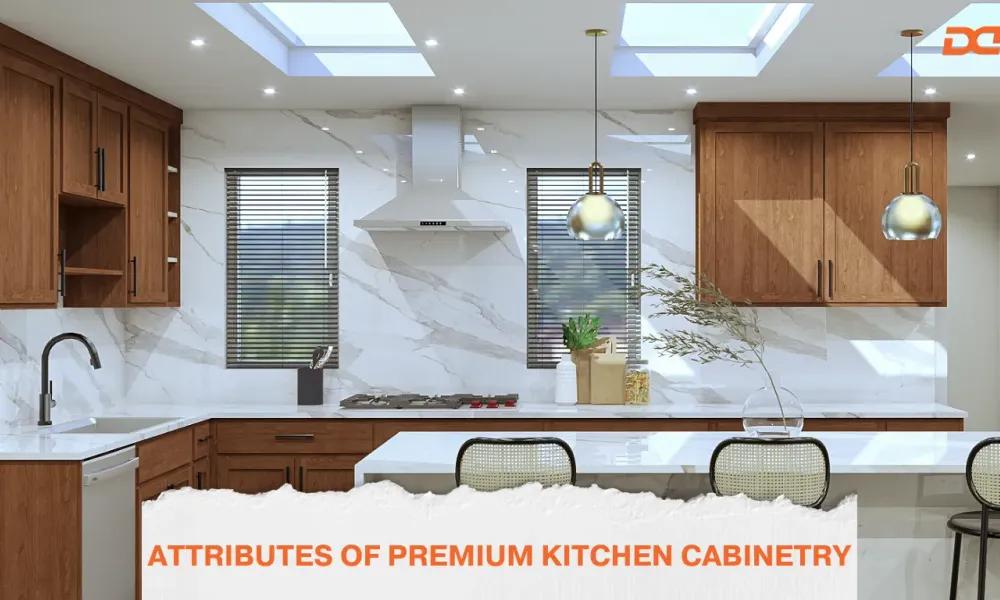
When selecting high-quality kitchen cabinets for your business, it's important to look beyond appearances to avoid costly mistakes. We've compiled a list of essential features to look for in premium...
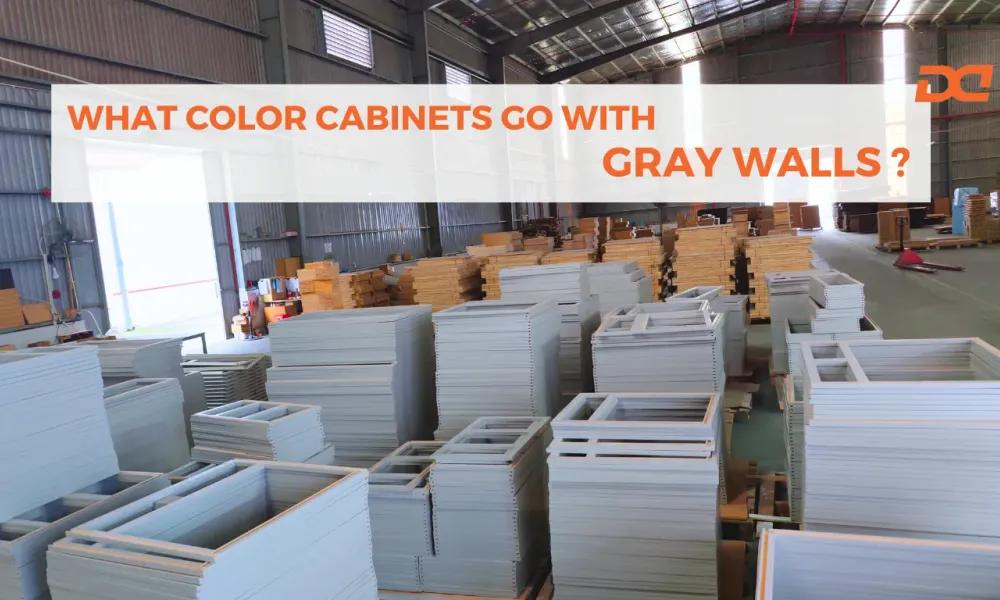
If your kitchen has gray walls, you're on track to create a charming and inviting space. Gray, being a neutral color, blends seamlessly in kitchens with either warm or cool...
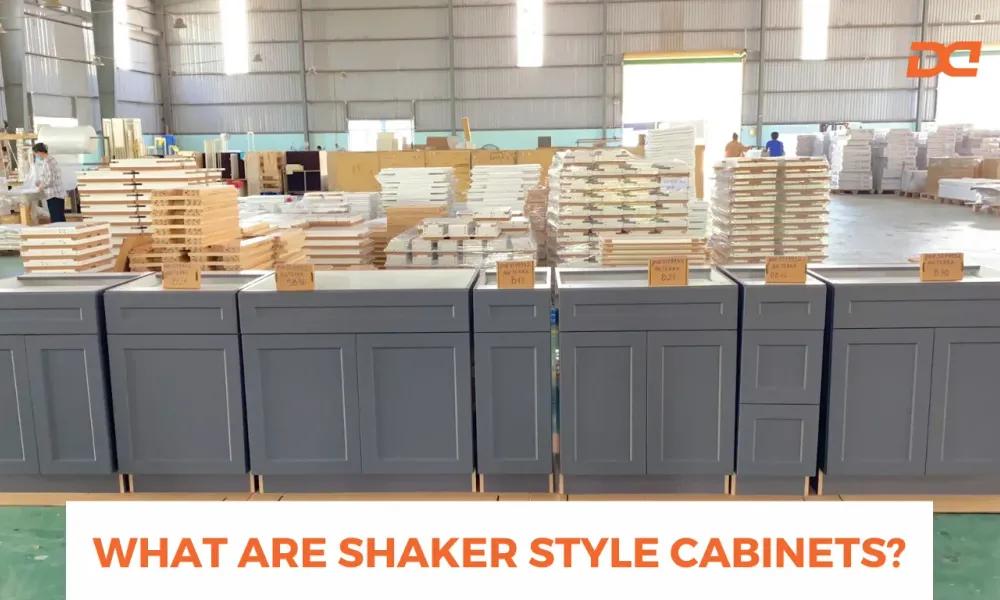
Shaker cabinets boast a distinctive appearance characterized by their clean lines and simple yet elegant design. Picture a wooden slab resembling a rectangular shape, within which lies another square-shaped box,...
Are you in the midst of choosing new kitchen cabinets but unsure whether to go for ready-to-assemble (RTA) or Assembled options? It’s an important decision, as both have their pros...

Hey there, welcome to Kim Cuong Cabinetry Vietnam! Ever wondered how our awesome cabinets come to life? We're throwing open our virtual doors for an exclusive tour. Come along and see what...
Get In Touch


