
What We Wish Every First-Time Cabinet Importer Knew Before Placing an Order
Importing kitchen cabinets for the first time can be exciting. It can also be overwhelming.
There are door styles to choose from, construction options to compare, shipping schedules to coordinate, and countless details that need to come together before production even begins.
After more than 20 years manufacturing kitchen cabinets for the US market, we've had the opportunity to work with many first-time importers. Whether they're builders expanding into cabinetry, wholesalers launching a new product line, or dealers sourcing directly from overseas, many of them face similar challenges.
The good news is that most of these challenges can be avoided.
Here are five mistakes we see most often and what experienced buyers do differently.

1. Choosing a Supplier Based on Price Alone
It's natural to compare quotations. Every business has a budget to manage.
But one of the biggest lessons we've learned is that the lowest unit price doesn't always result in the lowest overall cost.
We've seen buyers save a few dollars per cabinet, only to spend much more on replacement parts, damaged products, inconsistent quality, delayed deliveries, or customer service issues after the shipment arrives.
A better question to ask isn't:
"Who has the cheapest price?"
It's:
"Which supplier will help my business run more smoothly?"
The right manufacturing partner should reduce problems—not create new ones after the container reaches your warehouse.
2. Paying More Attention to the Door Than What's Behind It
A beautiful door style is often what sells the kitchen.
But long after the showroom visit, it's the cabinet construction that determines how the product performs.
Many first-time buyers spend weeks discussing door profiles, colors, and finishes, yet only a few minutes talking about cabinet box construction, materials, hardware, or joinery.
Those are the details installers notice first.
They're also the details that influence durability, installation time, and long-term customer satisfaction.
A great-looking cabinet should also be built to perform.
3. Thinking Lead Time Starts When the Purchase Order Is Sent
One conversation we have quite often goes like this.
"Can you produce within 45 days?"
Our answer is usually:
"We can - but first, let's make sure everything is ready for production."
Many first-time importers assume manufacturing starts the moment a purchase order is issued.
In reality, production can't begin until the details are confirmed.
Shop drawings need approval.
Specifications need to be finalized.
Materials and finishes need to be confirmed.
Sometimes, a project spends more time waiting for approvals than it does on the production floor.
The most expensive delay isn't always in manufacturing. Quite often, it's the time lost waiting for decisions before production even begins.
Experienced importers understand this. They build enough time into the schedule for engineering reviews, drawing revisions, sample approvals, and shipping - rather than focusing only on the factory's production lead time.

4. Assuming Every Factory Operates the Same Way
On paper, many cabinet manufacturers look very similar.
Similar product photos.
Similar specifications.
Sometimes even similar pricing.
The real difference usually becomes clear after the order is placed.
How quickly does the factory answer technical questions?
Who reviews the shop drawings?
How are quality issues documented?
What happens if replacement parts are needed?
These aren't questions you'll find answered in a catalog, but they'll have a much bigger impact on your business than another door style or finish option.
A supplier's process is just as important as its product.
5. Treating the First Order as the Finish Line
Many successful cabinet businesses didn't grow because they found the lowest-cost supplier.
They grew because they found a manufacturing partner they could rely on year after year.
The first order isn't just about buying cabinets.
It's about learning how both companies work together.
How problems are communicated.
How quickly decisions are made.
Whether expectations are aligned.
The strongest partnerships aren't built after one successful shipment.
They're built through consistency, transparency, and continuous improvement over time.
Final Thoughts
One thing we've learned after manufacturing cabinets for more than two decades is this:
Most import challenges don't begin on the production line.
They begin much earlier - with assumptions that were never discussed, drawings that weren't fully reviewed, or expectations that weren't aligned before production started.
The right supplier doesn't simply manufacture cabinets.
They ask the questions you may not have thought to ask yet.
Because preventing a problem will always cost less than solving one after the container arrives.
And that's one of the most valuable things an experienced manufacturing partner can offer.
Related Product
Our Product

"6-8 weeks" on a cabinet quote is usually a best case, not a guarantee. Here's what actually determines lead time and what to ask before you build a schedule around...

If you've requested quotes from several cabinet manufacturers, you've probably seen this before.
Three suppliers.
Three quotations.
Three very different prices.
The natural question is:
"Why is one so much cheaper?"

Walk into any kitchen showroom, and it's easy to be drawn to the details you can see. A beautiful shaker door. A smooth painted finish. Elegant hardware. They're often the first things homeowners notice. But...
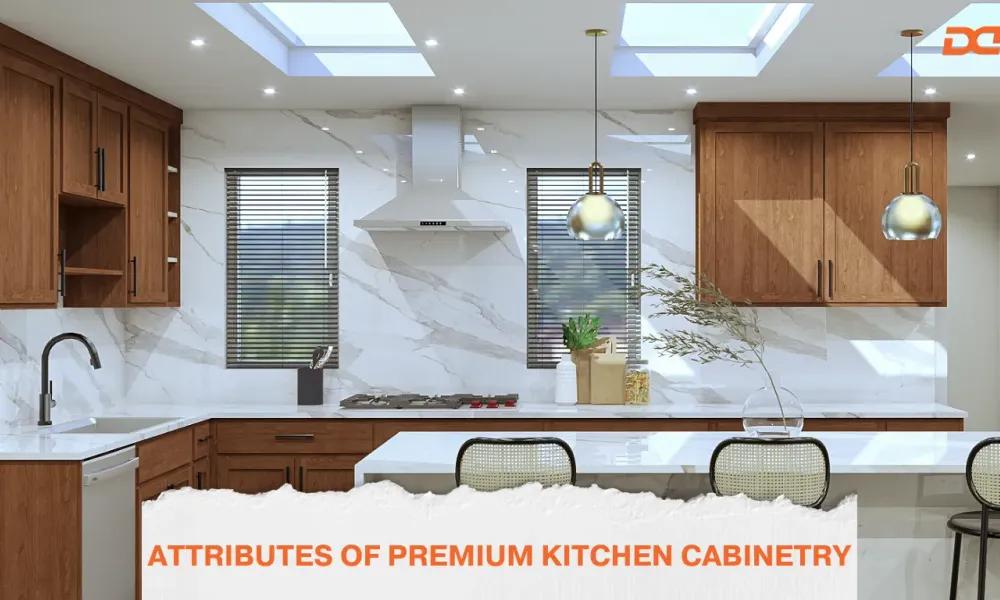
When selecting high-quality kitchen cabinets for your business, it's important to look beyond appearances to avoid costly mistakes. We've compiled a list of essential features to look for in premium...
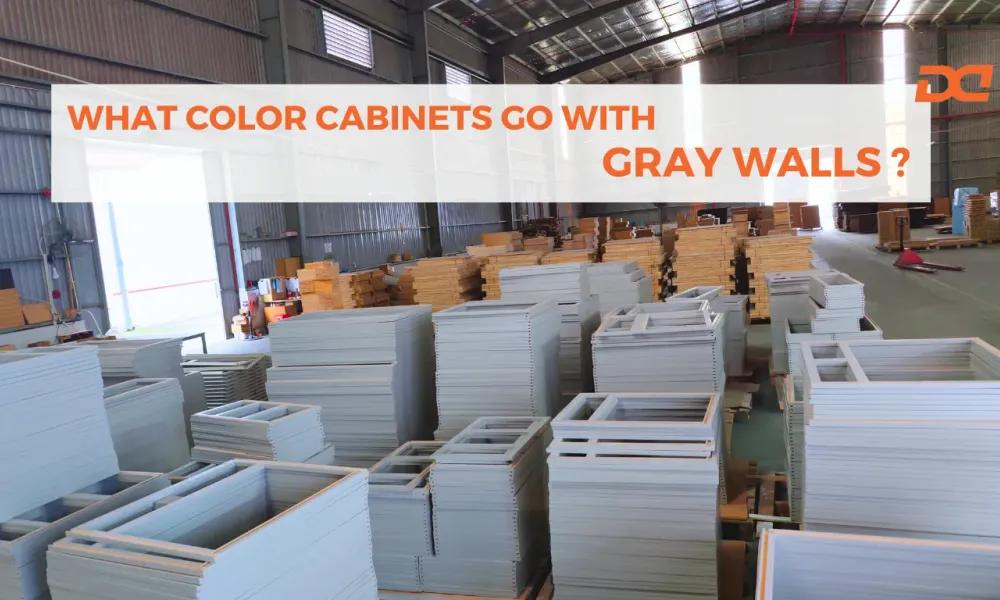
If your kitchen has gray walls, you're on track to create a charming and inviting space. Gray, being a neutral color, blends seamlessly in kitchens with either warm or cool...
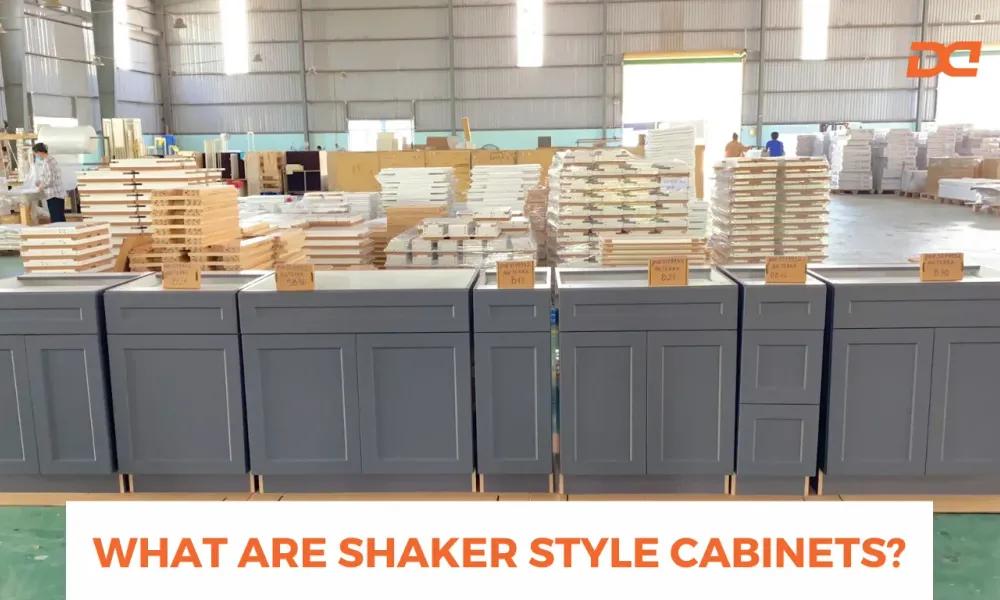
Shaker cabinets boast a distinctive appearance characterized by their clean lines and simple yet elegant design. Picture a wooden slab resembling a rectangular shape, within which lies another square-shaped box,...
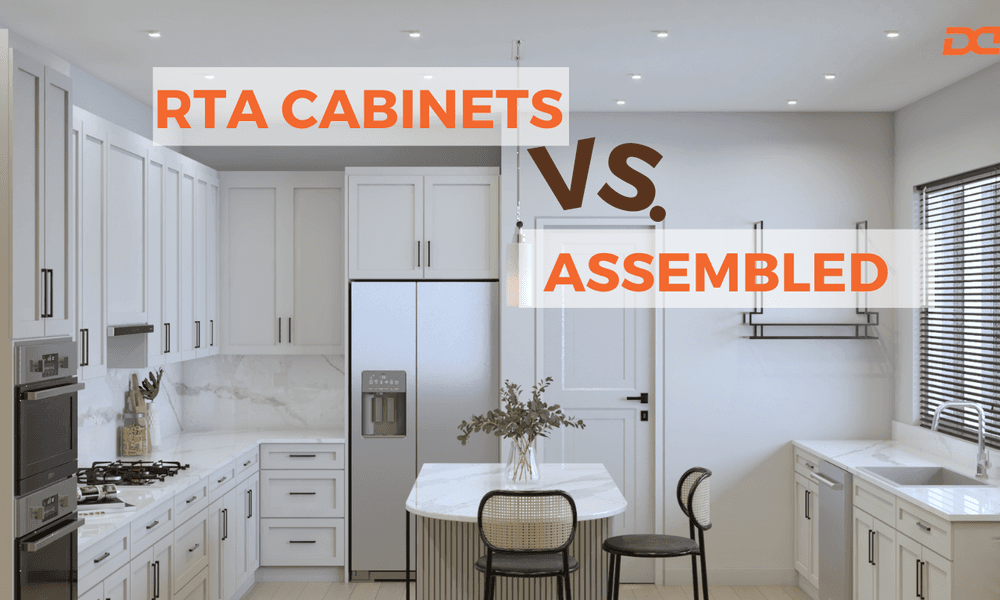
Are you in the midst of choosing new kitchen cabinets but unsure whether to go for ready-to-assemble (RTA) or Assembled options? It’s an important decision, as both have their pros...

Hey there, welcome to Kim Cuong Cabinetry Vietnam! Ever wondered how our awesome cabinets come to life? We're throwing open our virtual doors for an exclusive tour. Come along and see what...
Get In Touch


