
Why the Lead Time on Your Cabinet Quote Isn't Always the Lead Time You'll Get
"6-8 weeks" on a cabinet quote is usually a best case, not a guarantee. Here's what actually determines lead time and what to ask before you build a schedule around it.

Before You Build Your Schedule Around a Lead Time, Ask What It's Built On
A quoted lead time like "6-8 weeks" is typically a best-case number that assumes no material delays, no holiday shutdowns, and available container space. The real question isn't the number itself - it's whether the factory has an actual production schedule behind it, and whether they'll tell you early if it starts slipping.
Every cabinet quote has a lead time on it. Almost none of them tell you what that number is actually based on.
We've watched customers plan an entire product launch or project schedule around a quoted number as if it were a guarantee. Then a hardware or finish supplier runs short, a regional holiday shuts production for a week or two, or container space isn't available when expected - and the number on the quote and the number in reality become two different conversations.
What a lead time number usually assumes
"6-8 weeks" almost always describes the best possible path through production: materials on hand, no revisions mid-run, no seasonal slowdown, space booked on the sailing schedule you need. It's not a lie. It's just not the whole picture.
Vietnam-based manufacturers, for example, run into a predictable seasonal factor that rarely makes it into a quote: Tet, the lunar new year, shuts down production regions for one to two weeks every year, and the weeks around it often run at reduced capacity as workers travel. A quote given in November for a March delivery may not account for that window at all unless someone specifically flags it.
Material lead times move too. A hardware line waiting on a component from a sub-supplier, or a finish batch queued behind other orders, can add real weeks that never show up in the number on page one of a quotation.

The lead time itself matters less than what happens when it slips
Every program eventually hits a delay somewhere - that's normal in manufacturing, not a red flag by itself. What separates a well-run program from a stressful one is what happens the moment a schedule starts to move.
Does the factory flag it at week three, while there's still time to adjust downstream plans? Or does the customer find out at week seven, when the container was supposed to be loading and there's no room left to react?
Is there an actual production schedule behind the quoted number - tracked against material arrival, line capacity, and QC time - or was the number set by what sounded competitive in the sales conversation?
A factory that quotes an honest 10 weeks and delivers in 10 is a better partner than one that quotes 6 and explains later why it became 11. The second factory isn't necessarily slower. It's just less willing to tell you the truth up front.
What to ask before you commit a schedule to a lead time
If you're planning a launch, a project completion date, or a stocking cycle around a cabinet order, it's worth asking a few things beyond the headline number: What does this lead time assume about material availability right now? Does it account for any regional holidays or seasonal slowdowns in the production window? At what point would we be notified if something shifts, and how? Is container space already confirmed, or is that a separate risk on top of production time?
A factory that can answer these clearly, without hedging, is telling you something real about how they run. One that can only repeat the number on the quote is telling you something too.
At Kim Cuong Cabinetry, lead times are built against an actual production schedule, and if that schedule moves, customers hear about it as soon as we know - not when the container was due to load.

Common questions on cabinet manufacturing lead times
Why does my quoted lead time sometimes turn out to be longer in practice?
Most quoted lead times represent a best-case scenario. Material delays, seasonal shutdowns like Tet in Vietnam, or unconfirmed container space can extend it without the factory necessarily doing anything wrong.
What should I ask a factory about lead time before placing an order?
Ask what the number assumes, whether seasonal factors are already factored in, and at what point you'd be notified if the schedule shifts.
Is a longer quoted lead time a bad sign?
Not necessarily. A longer, accurate lead time is generally more useful for planning than a shorter one that doesn't hold up.
How much does Tet affect cabinet production schedules from Vietnam?
Production regions typically slow or pause for one to two weeks around the lunar new year, and orders due to ship shortly after should account for that window in advance.
à Planning a launch or project timeline around a cabinet order? Contact us and we'll walk you through what our current lead time is actually built on - not just the number.
Related Product
Our Product

If you've requested quotes from several cabinet manufacturers, you've probably seen this before.
Three suppliers.
Three quotations.
Three very different prices.
The natural question is:
"Why is one so much cheaper?"

Importing kitchen cabinets for the first time can be exciting. It can also be overwhelming.There are door styles to choose from, construction options to compare, shipping schedules to coordinate, and...

Walk into any kitchen showroom, and it's easy to be drawn to the details you can see. A beautiful shaker door. A smooth painted finish. Elegant hardware. They're often the first things homeowners notice. But...
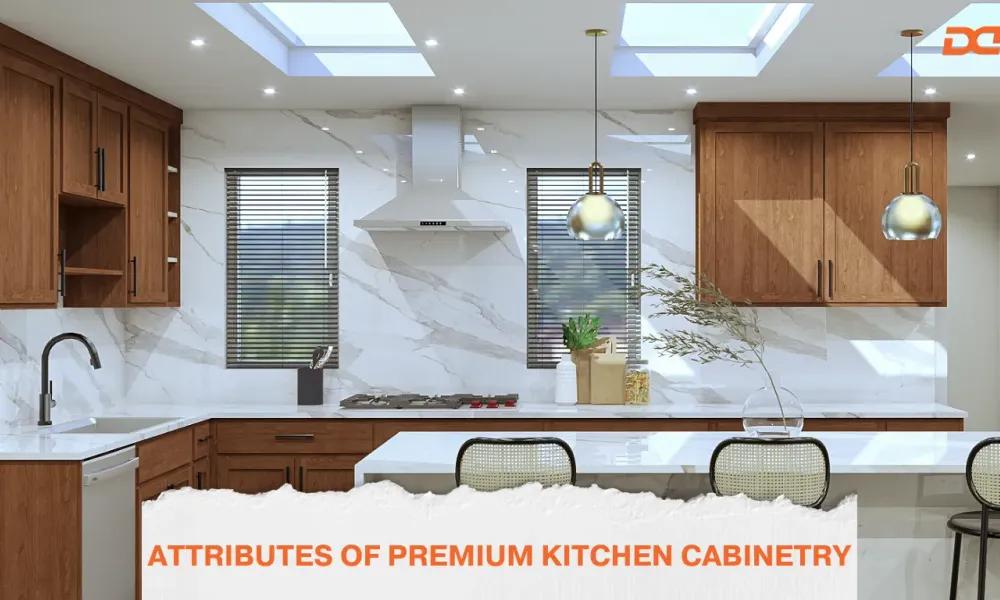
When selecting high-quality kitchen cabinets for your business, it's important to look beyond appearances to avoid costly mistakes. We've compiled a list of essential features to look for in premium...
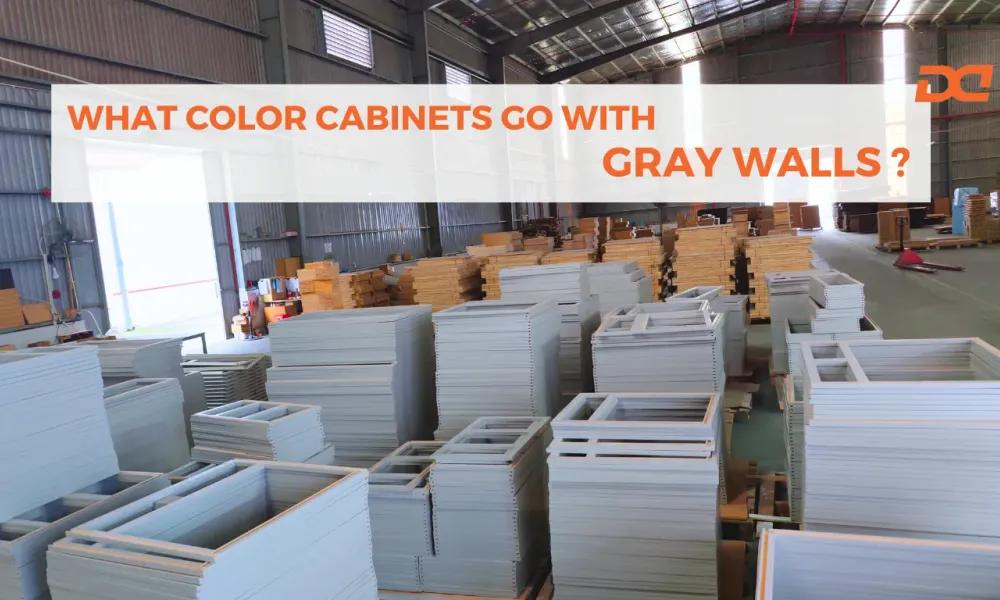
If your kitchen has gray walls, you're on track to create a charming and inviting space. Gray, being a neutral color, blends seamlessly in kitchens with either warm or cool...
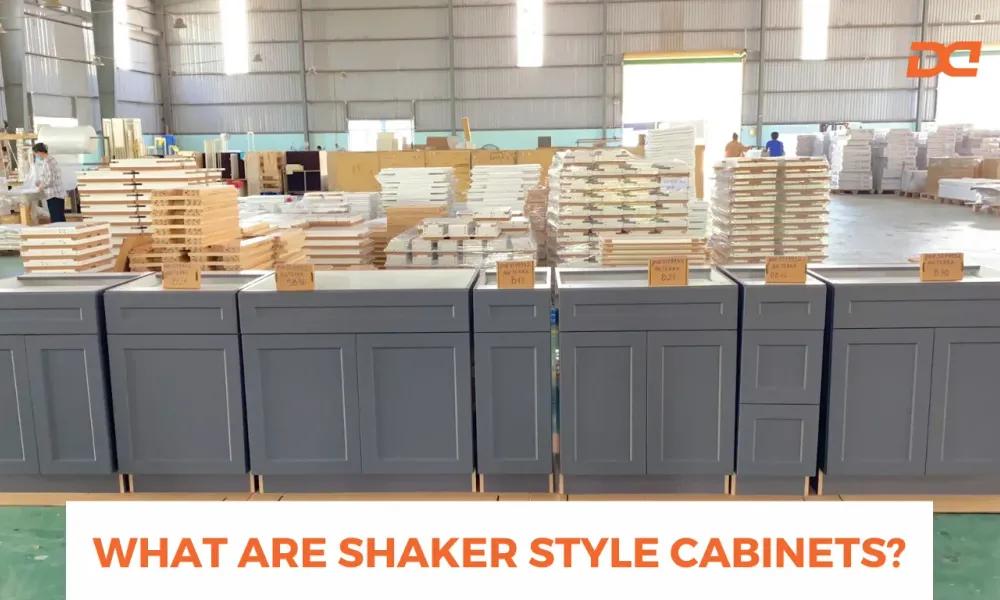
Shaker cabinets boast a distinctive appearance characterized by their clean lines and simple yet elegant design. Picture a wooden slab resembling a rectangular shape, within which lies another square-shaped box,...
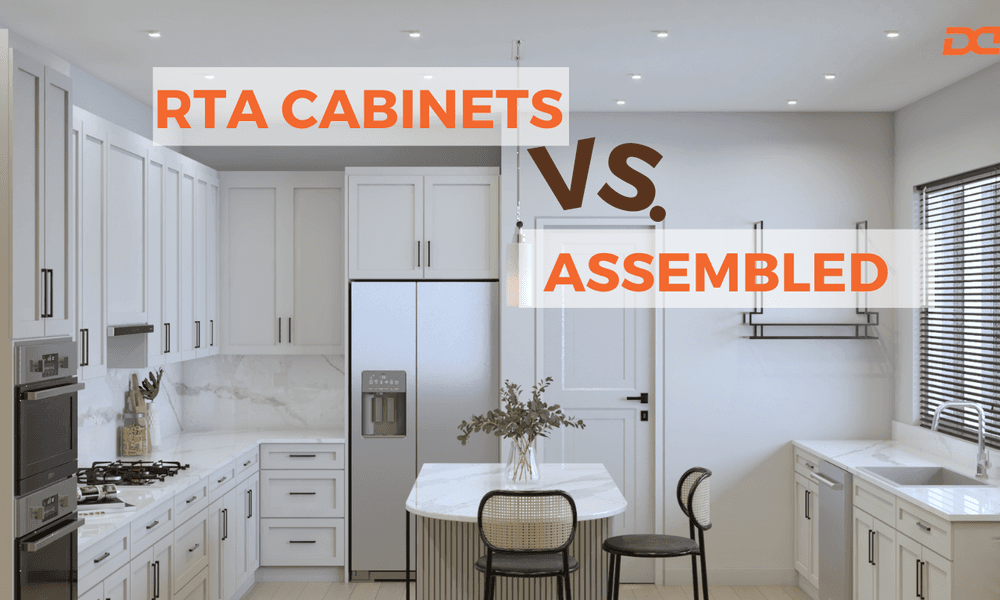
Are you in the midst of choosing new kitchen cabinets but unsure whether to go for ready-to-assemble (RTA) or Assembled options? It’s an important decision, as both have their pros...

Hey there, welcome to Kim Cuong Cabinetry Vietnam! Ever wondered how our awesome cabinets come to life? We're throwing open our virtual doors for an exclusive tour. Come along and see what...
Get In Touch


